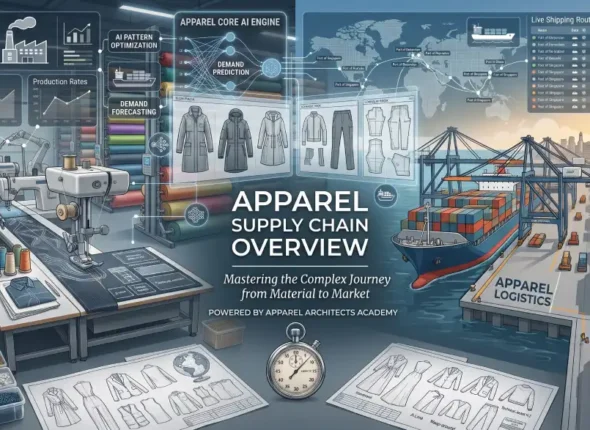

About Course

The global apparel and fashion industry is fast-paced, highly competitive, and driven by a unique blend of creativity and commercial acumen. Securing a role—whether in design, technical design, production, or merchandising—requires more than a standard resume; it demands industry-specific storytelling, a polished visual portfolio, and deep fluency in supply chain and trend forecasting terminology.

This 10-hour beginner-friendly course bridges the gap between academic training and industry expectations. Designed by a veteran Fashion Professor and elite Instructional Designer, this curriculum demystifies the apparel hiring process. Students will learn how to navigate HR screenings, conquer technical interviews, present mood boards and tech packs effectively, and master behavioral questions using the STAR method tailored specifically to the fashion ecosystem. By the end of this course, learners will possess a customized interview toolkit, a redesigned industry-standard resume, and the unshakeable confidence needed to secure entry-level and junior apparel roles.

Show More

What Will You Learn?

  • Complete Learning Objectives (Bloom's Taxonomy)
  • By the end of this 10-hour course, students will be able to:
  • Recall key apparel industry terminology, calendar milestones, and standard product lifecycle management (PLM) phases.
  • Understand the distinct expectations, KPIs, and interview formats across various apparel sectors (Design, Merchandising, Buying, and Production).
  • Apply the STAR interview method to articulate past experiences, academic projects, and internships through a fashion-business lens.
  • Analyze job descriptions to extract core competencies and tailor portfolio presentations to match brand aesthetics.
  • Evaluate and critique mock interview responses, identifying areas for improvement in tone, posture, and technical accuracy.
  • Create a compelling, professional digital portfolio presentation deck and a high-impact, ATS-optimized fashion resume.
  • Skills Students Will Master
  • Apparel Industry Fluency: Speaking confidently about the fashion calendar, lead times, sustainability, and retail math basics.
  • Portfolio Storytelling: Structuring visual work (sketches, flat drawings, tech packs, or assortment grids) for maximum interview impact.
  • Behavioral & Situational Mastery: Answering high-pressure questions regarding trend misses, vendor disputes, and tight deadlines.
  • Resume & LinkedIn Optimization: Crafting keyword-rich application materials tailored for fashion recruiters and ATS (Applicant Tracking Systems).
  • Technical Interview Navigation: Effectively handling live sketching tests, Excel merchandising math challenges, or tech pack reviews.
  • Executive Presence & Networking: Developing personal branding, informational interview etiquette, and follow-up strategies.

Course Content

Module 1: Decoding the Apparel Industry Landscape & Role Alignment
<p>Decoding the Apparel Industry Landscape & Role Alignment ## This module provides foundational knowledge of the global fashion and apparel supply chain, sector dynamics, and corporate structures. Learners will understand the distinct career paths available in design, product development, sourcing, production, merchandising, and retail. By the end of this module, learners will be able to map their skills directly to industry job descriptions, decipher corporate organizational charts, and articulate why they fit a specific sector within the apparel industry. ---</p>

Module 1: Assessments
<p>Module 1: Assessments</p>

Module 1: Assessments (copy)
<p>Module 1: Assessments</p>

Module 2: Mastering Behavioral & Situational Apparel Interviews
<p>Mastering Behavioral & Situational Apparel Interviews ## Behavioral and situational questions make up the core of most corporate apparel interviews. Hiring managers want to know how you handle high-pressure trade-offs, tight deadlines, creative disagreements, and global supply chain disruptions. By the end of this module, learners will master the STAR (Situation, Task, Action, Result) interview methodology and apply it to real-world apparel scenarios, such as managing factory delays, resolving cross-functional conflicts between design and finance, and handling defective product shipments. ---</p>

Module 2: Assessments
<p>Module 2: Assessments</p>

Module 3: Mastering Behavioral & Cultural Fit Interviews in Fashion
<p>Mastering Behavioral & Cultural Fit Interviews in Fashion ## Apparel and fashion companies pride themselves on unique corporate cultures, fast-paced environments, and deep passion for product. Even with exceptional technical skills, candidates who fail to demonstrate cultural alignment, emotional intelligence, and collaborative problem-solving will not secure the job. **Module Outcomes:** - Master the STAR method tailored specifically to the fashion and apparel ecosystem. - Articulate responses to behavioral prompts addressing tight deadlines, creative disagreements, and multi-vendor pressure. - Decode culture and brand values across different apparel sectors (luxury houses, fast-fashion conglomerates, activewear performance brands, and sustainable startups). - Build a compelling personal narrative connecting individual values to corporate missions. ---</p>

Module 3: Assessments
<p>Module 3: Assessments</p>

Module 4: Technical Portfolio & Case Study Presentations for Fashion Roles
<p>Technical Portfolio & Case Study Presentations for Fashion Roles ## In the apparel industry, a resume alone will not land you the job. Whether you are a Designer showcasing a digital CAD portfolio, a Merchandiser presenting an open-to-buy (OTB) spreadsheet analysis, a Sourcing Manager presenting a cost-negotiation breakdown, or a Buyer presenting a seasonal assortment deck, you will be judged on your tangible output. **Module Outcomes:** - Curate and structure a high-impact professional portfolio tailored to your specific apparel discipline. - Master the live case study presentation: structuring data, storytelling with product, and defending your commercial rationale. - Anticipate and handle aggressive executive questioning during design critiques and merchandise line reviews. - Translate complex supply chain, financial, or creative data into clean, persuasive visual slides. ---</p>

Module 4: Assessments
<p>Module 4: Assessments</p>

Earn a certificate

Add this certificate to your resume to demonstrate your skills & increase your chances of getting noticed.
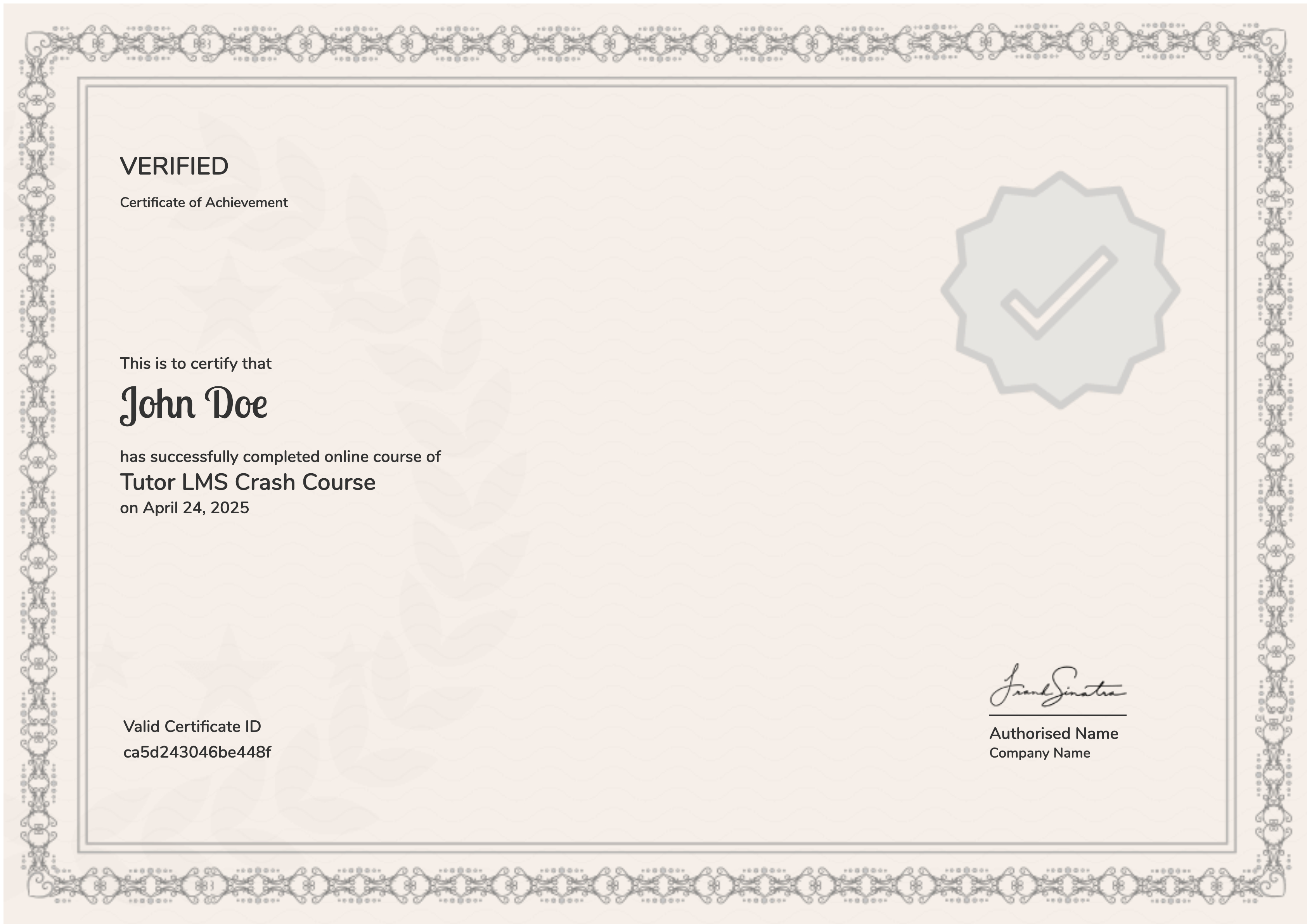
selected template

Student Ratings & Reviews

No Review Yet
No Review Yet