
About Course

The global fashion industry relies heavily on buying houses and sourcing offices to execute creative visions profitably and at scale. This intermediate-level, 15-hour intensive course demystifies the operational backbone of the apparel industry: the buying office.

Designed for aspiring fashion merchandisers, sourcing specialists, and supply chain professionals, this curriculum bridges theoretical design concepts with real-world technical execution. Students will explore the entire lifecycle of a garment order—from initial cost estimation, tech pack interpretation, and vendor evaluation to mid-production quality assurance and final shipment logistics. Through applied scenarios, case studies, and industry frameworks, learners will gain the strategic mindset and tactical competencies required to secure and thrive in middle-management roles within global buying agencies.

Show More

What Will You Learn?

  • Learning Objectives
  • By the end of this 15-hour master course, students will be able to:
  • REMEMBER the key stakeholders, communication channels, and organizational hierarchy within an international buying office.
  • UNDERSTAND the critical path method (CPM) and how various departmental dependencies impact on-time delivery.
  • APPLY garment costing formulas, FOB/CMT breakdowns, and material consumption calculations to real-world apparel styles.
  • ANALYZE vendor capabilities, compliance audits, and risk factors to select optimal manufacturing partners for specific product categories.
  • EVALUATE Pre-Production (PP) samples and inline quality inspection reports against technical specifications to make ship/no-ship decisions.
  • DESIGN a comprehensive, risk-mitigated sourcing and production timeline for a multi-style seasonal apparel collection.

Course Content

Module 1: The Anatomy of a Global Buying Office
<p>The Anatomy of a Global Buying Office This module provides an exhaustive exploration of the global buying office ecosystem, demystifying how major fashion retailers and brands source, develop, and deliver apparel across international borders. Learners will master the structural dynamics of buying houses, distinguish between buying and sourcing offices, and understand the critical intersections between merchandising, quality assurance, logistics, and vendor management. Module Learning Outcomes: 1. Map and analyze the organizational structure of a Tier-1 global buying office. 2. Differentiate operational metrics and KPIs between direct-to-retail buying houses and agent-based sourcing offices. 3. Establish robust cross-functional communication protocols with offshore design, production, and compliance teams. 4. Evaluate supply chain risk factors at the vendor level using data-driven grading matrices. ---</p>

Module 2: The Sourcing Lifecycle: From Concept to Costing
<p>The Sourcing Lifecycle: From Concept to Costing This module details the end-to-end operational journey of apparel product creation within a buying office. Learners will master the mechanics of seasonal sourcing calendars, dissect Bill of Materials (BOM) cost sheets, evaluate fabric properties, and execute transparent, cost-engineered pricing negotiations with international vendors. Module Learning Outcomes: 1. Construct and manage a synchronised critical path calendar (CPC) bridging design, development, and delivery. 2. Analyze and deconstruct a complete BOM and garment cost sheet down to the micro-level (CMT, fabric yield, trims, and overhead). 3. Evaluate fabric performance specifications, minimum order quantities (MOQs), and surcharge mechanics. 4. Execute structured negotiation strategies to hit target FOBs while maintaining product integrity and ethical compliance. ---</p>

Module 3: Vendor Management & Factory Compliance in Buying Offices
<p>Vendor Management & Factory Compliance in Buying Offices This module explores the critical intersection of commercial negotiation, operational capacity, and ethical responsibility in the apparel supply chain. As an intermediate professional in a buying office, managing vendor relationships goes beyond securing the lowest price; it requires rigorous factory vetting, compliance auditing, and capacity mapping to ensure seamless execution from order placement to final shipment. Module Learning Outcomes: 1. Evaluate and onboard vendors using technical, financial, and ethical scorecards. 2. Navigate international trade compliance frameworks (WRAP, BSCI, SMETA, OEKO-TEX). 3. Conduct capacity planning and utilization studies to prevent supply chain bottlenecks. 4. Implement continuous improvement and corrective action plans (CAPs) for non-compliant vendor facilities. ---</p>

Module 4: Order Execution, Production Tracking & Supply Chain Logistics
<p>Order Execution, Production Tracking & Supply Chain Logistics This module details the operational lifecycle of an apparel order from the moment a Purchase Order (PO) is issued to the final delivery at the distribution center. Intermediate professionals will master the critical path method (CPM), manage WIP (Work-In-Progress) tracking, navigate the complexities of quality assurance (QA) protocols, and coordinate international shipping and customs logistics. Module Learning Outcomes: 1. Build, monitor, and troubleshoot a comprehensive Critical Path Method (CPM) calendar. 2. Implement rigorous Quality Assurance (QA) checkpoints, including Inline, Mid-line, and Final Random Inspections (AQL 2.5). 3. Coordinate multi-modal global logistics, commercial invoicing, and customs clearance documentation. 4. Manage supply chain exceptions, risk mitigation, and air-freight liability negotiations. ---</p>

Earn a certificate

Add this certificate to your resume to demonstrate your skills & increase your chances of getting noticed.
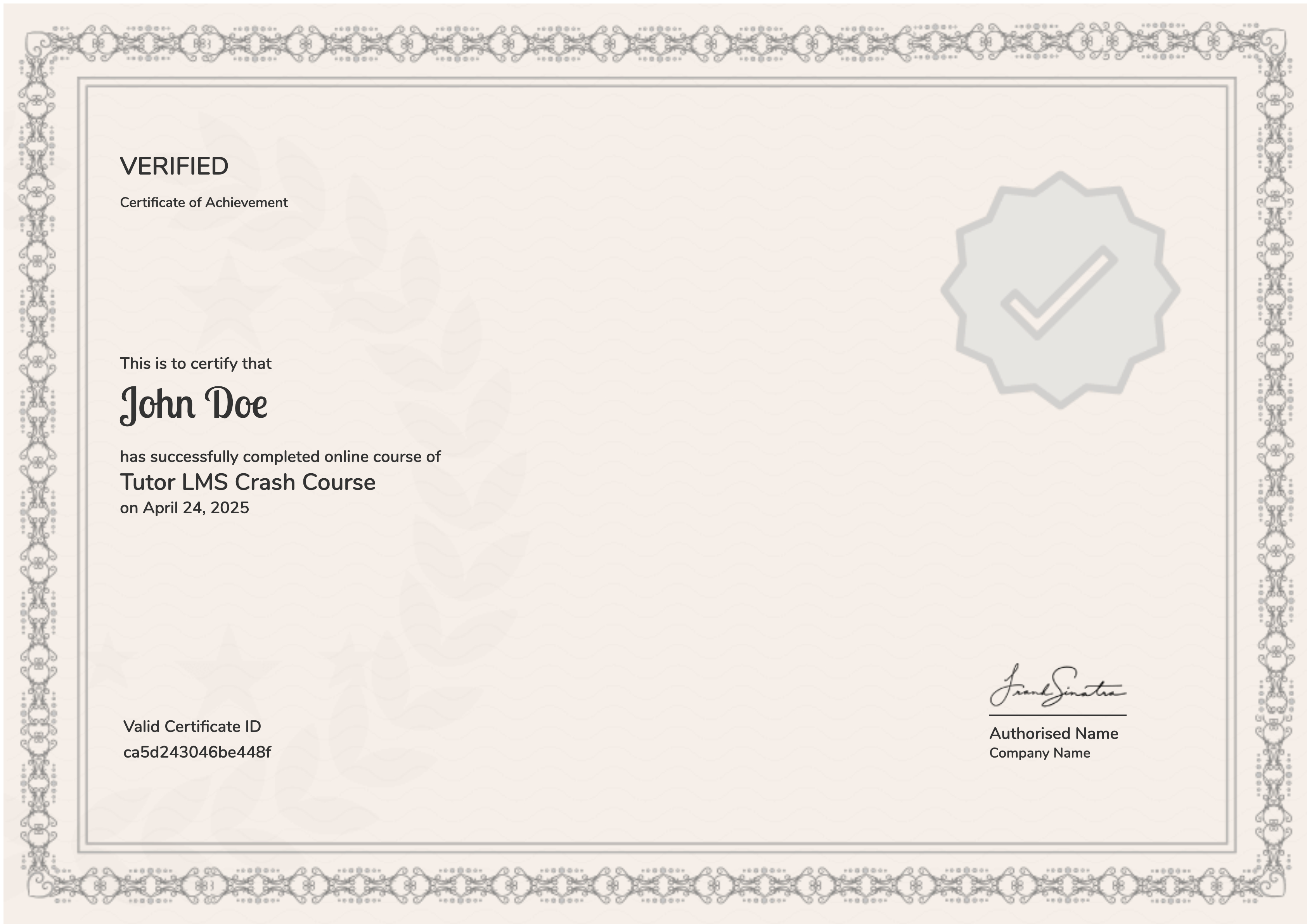
selected template

Student Ratings & Reviews

No Review Yet

No Review Yet