

About Course

The apparel industry is powered by one of the most dynamic, globalized, and fast-paced supply chains in the world. Whether you are an aspiring fashion designer, an independent brand founder, or a fashion management student, understanding how a garment moves from a raw fiber concept to a finished retail product is essential for commercial success.

This comprehensive 10-hour beginner course breaks down the modern apparel supply chain into actionable, easy-to-understand concepts. You will gain a complete overview of raw material sourcing, fabric development, vendor compliance, tech pack creation, factory operations, quality control protocols, international freight shipping, customs, and sustainable supply chain management.

Packed with real-world case studies, step-by-step operational frameworks, and industry best practices, this course equips you to make cost-effective, ethical, and high-quality production decisions for any clothing brand.

Show More

What Will You Learn?

  • Learning Objectives
  • By completing this course, students will be able to:
  • Map the complete global apparel supply chain from fiber origin to end consumer.
  • Evaluate and select raw materials (knits vs. wovens, natural vs. synthetic) based on brand positioning and cost.
  • Build comprehensive Tech Packs and Bills of Materials (BOM) to eliminate production errors.
  • Assess factory capabilities, audit compliance standards, and negotiate realistic production timelines.
  • Apply Quality Control protocols, including the Acceptable Quality Limit (AQL 2.5) inspection framework.
  • Interpret international shipping Incoterms and structure cost-effective global logistics strategies.
  • Identify key sustainability metrics, circular design principles, and traceably ethically sourced materials.
  • Skills Students Will Learn
  • Sourcing & Procurement: Vendor vetting, RFQ (Request for Quotation) drafting, and contract negotiation.
  • Production Operations: Line balancing, cutting/sewing workflow analysis, and lead time calculation.
  • Quality Assurance: Fabric inspection (4-Point System), garment measuring, and defect identification.
  • Costing & Financial Planning: Landed cost calculation, margin analysis, and BOM creation.
  • Logistics Management: Incoterms selection, freight forwarding coordination, and customs documentation.
  • Sustainable Supply Chain Audit: Traceability verification, OEKO-TEX / GOTS certification auditing.

Course Content

Module 1: Foundations of Apparel Supply Chain & Sourcing
Module 1 introduces the core structure of the global apparel supply chain. Students learn the distinction between push and pull supply chain models, key tier definitions (Tier 1 to Tier 4 suppliers), and how to formulate an effective product sourcing strategy.

Module 2: Raw Material Procurement & Tech Packs
Module 2 Overview Module 2 covers the technical foundation of apparel production: raw material selection (knits, wovens, trims) and the creation of production-ready Tech Packs and Bills of Materials (BOM).

Module 3: Factory Operations, Production & Quality Control
Module 3 Overview Module 3 explores internal factory workflows, line assembly, inline quality monitoring, and formal final audit inspection protocols (AQL 2.5).

Module 4: Global Logistics, Sustainable Supply Chains & Trade
Module 4 Overview Module 4 covers international trade mechanics, Incoterms 2020, freight modes, customs documentation, landed cost calculations, and sustainable, traceable supply chain management.

Practical Capstone Project: Production Sourcing Strategy & Tech Pack Package
Project Brief Select a core apparel product (e.g., Streetwear Hoodie, Tailored Chino Pants, or Activewear Leggings) and build a complete Factory Production & Sourcing Strategy Package ready for factory submission. Deliverables Required Complete Tech Pack (PDF): Technical Flat Vector Sketches (Front & Back view with detail callouts). Complete Bill of Materials (BOM) including fabrics, trims, thread, labels, and packaging. Point of Measurement (POM) Spec Sheet for Sizes S, M, L, XL with measurement tolerances. Sourcing & Supplier Vetting Strategy: Choice of Sourcing Model (CMT vs. FOB) with clear justification. Required Factory Social Compliance Audit standards (WRAP, Sedex, or BSCI). Landed Cost & Logistics Matrix: Landed Cost spreadsheet model factoring in FOB unit cost, freight estimation, customs duty rates, and target retail pricing. Quality Control & Inspection Plan: Inspection plan outlining PP sample sign-off criteria and AQL 2.5 sampling requirements.

Earn a certificate

Add this certificate to your resume to demonstrate your skills & increase your chances of getting noticed.
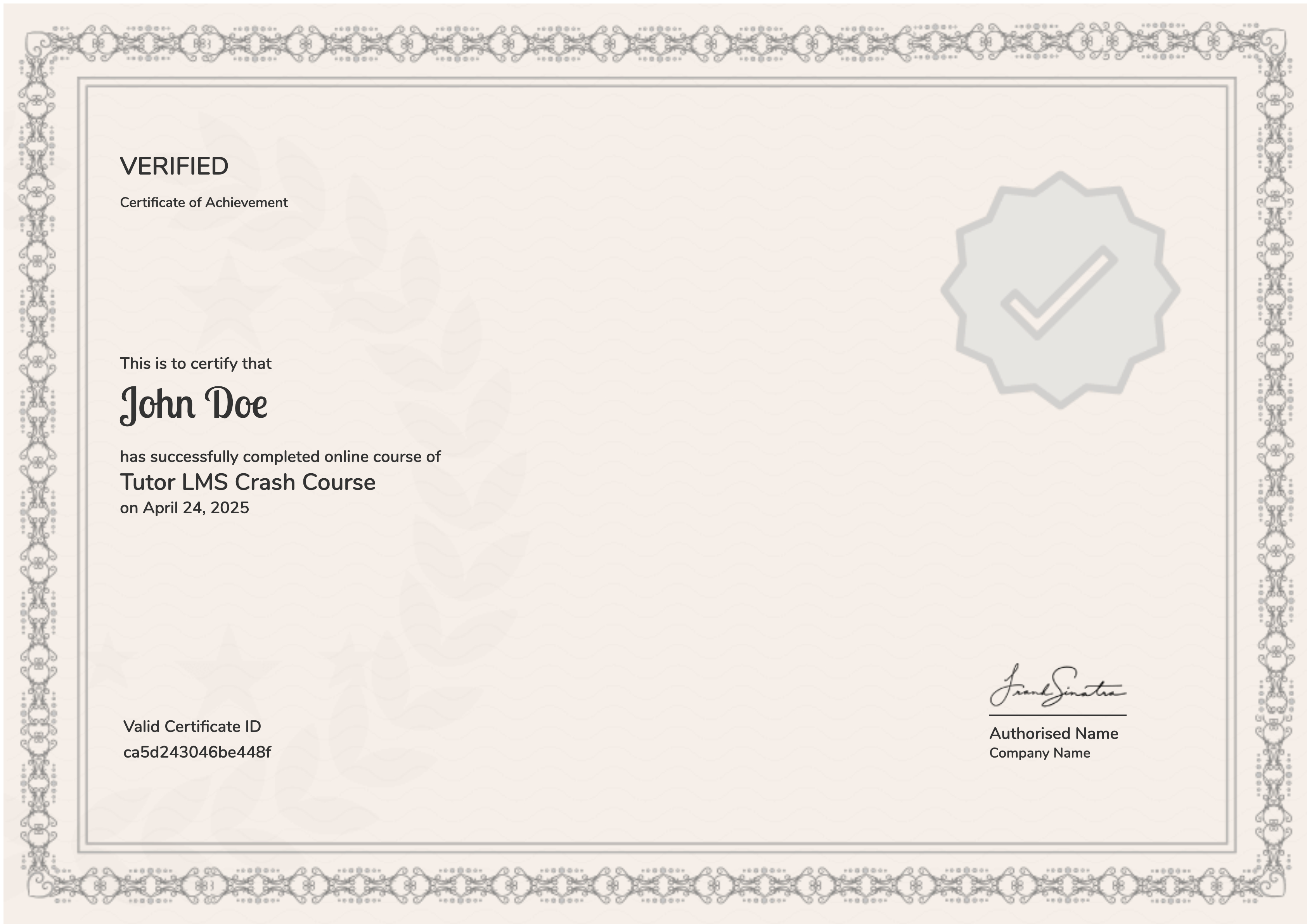
selected template

Student Ratings & Reviews

No Review Yet

No Review Yet