

About Course

A brilliant design means nothing if it cannot be produced efficiently, on time, and within budget. Garment Production Management is the engine that turns sketches into shipped orders. This focused 10‑hour intermediate course equips you with the practical skills to manage apparel production, whether in a small unit or a large factory.

You will master production planning and scheduling, work measurement and line balancing, quality control systems, lean manufacturing principles, and the essentials of managing materials and costs.

Through real‑world factory scenarios, hands‑on activities, and a comprehensive final project, you will build the confidence to step into a production management role and drive operational excellence. Basic knowledge of garment components and sewing is beneficial but not mandatory.

Show More

What Will You Learn?

  • LEARNING OBJECTIVES
  • By the end of this course, students will be able to:
  • Describe the structure and key functions of a garment production unit.
  • Develop a production plan and Time & Action calendar for an order.
  • Apply industrial engineering techniques: time study, SMV, and line balancing.
  • Implement quality control procedures, including AQL sampling and defect analysis.
  • Use lean manufacturing tools to reduce waste and improve productivity.
  • Manage basic material flow and coordinate with supply chain.
  • Evaluate production costs and propose efficiency improvements.
  • SKILLS STUDENTS WILL LEARN
  • Production planning and scheduling
  • Time & Action (T&A) calendar creation
  • Capacity calculation and line balancing
  • Work measurement: time study, SMV calculation
  • Quality control and AQL inspection methods
  • Defect classification and root cause analysis
  • Lean manufacturing tools (5S, Kaizen, waste elimination)
  • Production costing and efficiency KPIs

Course Content

MODULE 1 – PRODUCTION MANAGEMENT FUNDAMENTALS
Module Overview This module introduces the world of garment production management. You will learn the role of a production manager, the different types of production systems used in apparel, and the key performance indicators (KPIs) that measure factory success. By the end, you’ll have a clear picture of what production management entails and how it integrates with design, merchandising, and quality.

MODULE 2 – PRODUCTION PLANNING & CONTROL
Module Overview Every successful production run starts with a robust plan. This module covers the critical path, T&A calendars, capacity planning, material requirement planning, and how to schedule orders across lines. You will learn to create a realistic production schedule that the factory floor can follow.

MODULE 3 – INDUSTRIAL ENGINEERING & LINE BALANCING
Module Overview Industrial engineering (IE) is the science behind production efficiency. This module teaches you to measure work using time study, calculate Standard Minute Values (SMV), balance a sewing line to minimize idle time, and design effective workstation layouts. These skills are directly applied to increase output without increasing cost.

MODULE 4 – QUALITY MANAGEMENT IN PRODUCTION
Module Overview Quality is not inspected at the end; it must be built into every operation. This module covers quality control systems, AQL inspection, defect classification, root cause analysis, and how to set up in‑process quality checks that catch problems early and save cost.

MODULE 5 – LEAN MANUFACTURING & CONTINUOUS IMPROVEMENT
Module Overview Lean manufacturing focuses on eliminating waste and creating value with less effort. This module introduces lean tools such as 5S, Kaizen, the seven wastes, and visual management. You will also learn basic production costing and how to build a culture of continuous improvement on the factory floor.

PRACTICAL PROJECT
Title: Production Plan and Line Balancing for a Shirt Order Brief: You have received an order for 12,000 men’s formal shirts, to be delivered in 6 weeks. SMV of the shirt is 22 minutes. Your factory has one dedicated line with 30 operators, working 8 hours/day, 6 days/week. Currently efficiency is 70%. Develop: A T&A calendar from order receipt to shipment. A capacity calculation and weekly production schedule. A line balance using provided operation list (at least 15 operations) to meet the target. A quality control plan with inline checkpoint locations. A 5S implementation plan for the line. A cost calculation to determine unit making cost, and propose how to reduce it by 8% through efficiency improvement. Project Guidelines: Assume standard lead times for fabric and trims (state assumptions). Show all calculations. Present the line balance in a table with operator assignments and expected output. Use Excel where appropriate; submit as a PDF report with embedded Excel charts. Include a short reflection on the biggest challenge you anticipate and how you would address it. FAQ Q: Do I need to have factory experience to take this course? A: No, but some familiarity with how a garment is made will help. We review key concepts, so motivated beginners can follow. Q: Will I learn to use industrial engineering software? A: We focus on manual methods and Excel to build a strong foundation. Principles transfer to any IE software. Q: Is the course relevant to small ateliers, or only large factories? A: The principles apply to any scale. Small units benefit greatly from line balancing and lean tools. Q: How much math is involved? A: Basic arithmetic, percentages, and simple formulas. We walk through all calculations step by step. Q: Can I apply these skills in merchandising? A: Yes, production knowledge greatly enhances a merchandiser’s ability to plan realistic timelines and cost garments.

Earn a certificate

Add this certificate to your resume to demonstrate your skills & increase your chances of getting noticed.
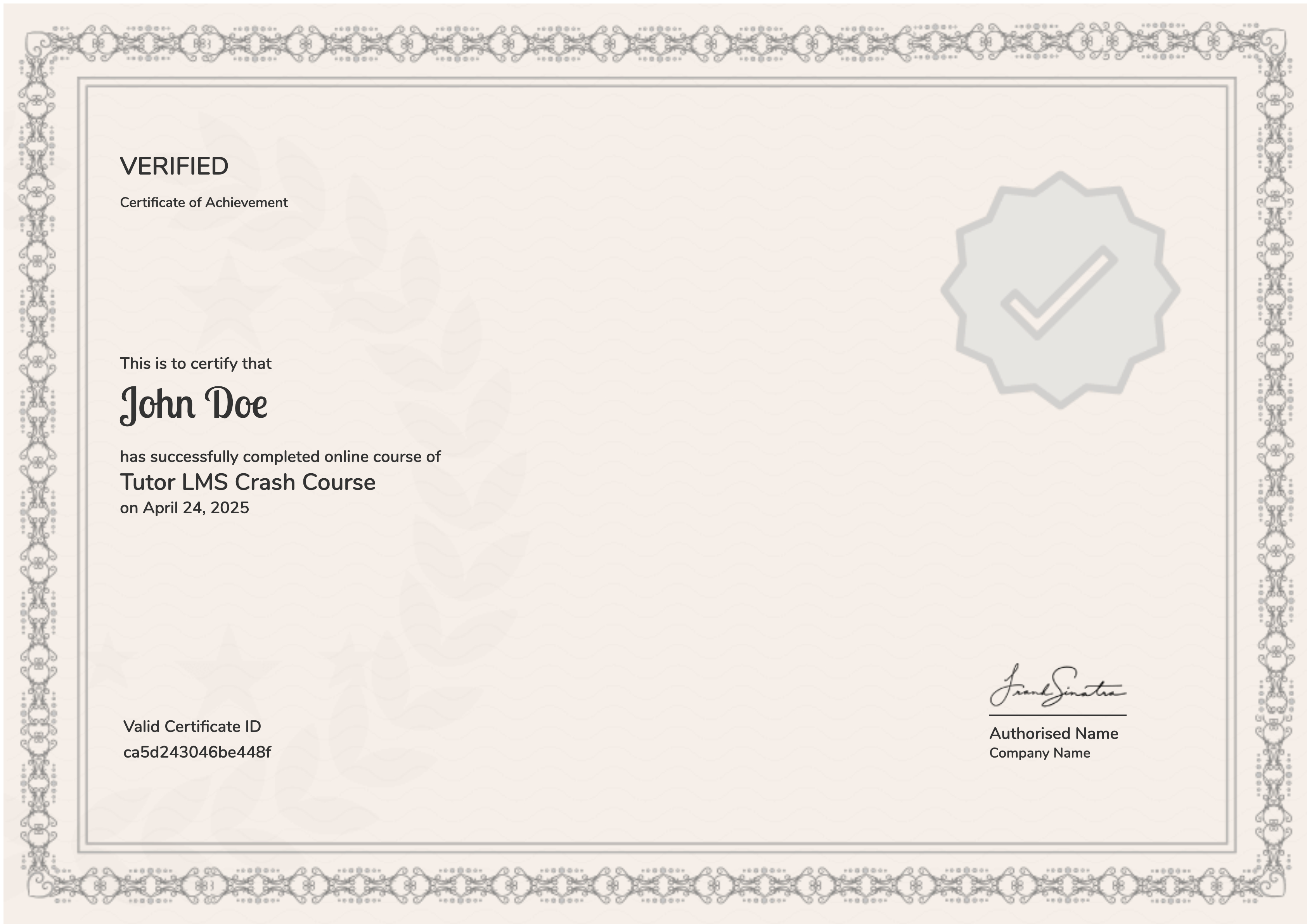
selected template

Student Ratings & Reviews

No Review Yet

No Review Yet