

About Course

In the hyper-competitive fashion industry, your portfolio is your ultimate currency. This 15-hour intermediate course bridges the gap between raw creative output and commercial marketability. Designed for emerging designers, stylists, merchandisers, and digital creators, Building a Winning Portfolio demystifies what industry gatekeepers—Creative Directors, Talent Acquisition Leads, and Fashion Editors—look for when reviewing talent.

Blending high-level aesthetic curation with strategic personal branding, students will audit, restructure, and elevate their existing body of work. Through a combination of masterclasses in layout design, digital UX/UI for portfolios, physical printbinding standards, and narrative development, learners will construct a dynamic, multi-format portfolio tailored to their specific career niche. By the end of this course, you will possess a finished, professional-grade portfolio accompanied by a cohesive pitch deck and personal brand identity, ready to command attention in the global fashion market.

Show More

What Will You Learn?

  • Learning Objectives (Bloom's Taxonomy)
  • By the end of this 15-hour course, students will be able to:
  • REMEMBER the essential industry standards, file formats, and structural layouts required for contemporary fashion portfolios across digital and print mediums.
  • UNDERSTAND how to curate a cohesive narrative arc within a portfolio that reflects their distinct design DNA and commercial viability.
  • APPLY advanced typography, grid systems, and visual hierarchy principles to layout design using industry-standard software.
  • ANALYZE existing portfolio pieces to identify gaps, weak technical flats, or outdated styling, editing out non-essential work to elevate overall impact.
  • EVALUATE digital hosting platforms, PDF optimization techniques, and physical presentation formats to determine the best distribution channel for specific career goals.
  • CREATE a comprehensive, multi-platform (digital website, interactive PDF, and physical book) professional portfolio and accompanying elevator pitch tailored for target fashion houses or clients.
  • 2- Skills Students Will Master
  • Visual Curation & Editing: The art of "killing your darlings" to curate a tightly edited, high-impact body of work.
  • Digital & Print Layout Design: Mastery of grid systems, pacing, whitespace, and visual rhythm in InDesign and Figma.
  • Technical Communication: Presenting CADs, spec sheets, flat sketches, and mood boards with professional clarity.
  • Interactive Web Portfolio Development: Building responsive, user-friendly digital portfolios via platforms like Squarespace, Adobe Portfolio, or Webflow.
  • Personal Branding & Narrative Arc: Crafting a compelling "About Me" bio, artist statement, and cohesive visual identity.
  • Client & Recruiter Pitching: Structuring case studies and presenting design processes from initial inspiration to final garment/campaign.

Course Content

Module 1: The Anatomy of a Fashion Portfolio & Narrative Strategy (3 Hours)
<p>Module 1: The Anatomy of a Fashion Portfolio & Narrative Strategy (3 Hours)</p>

Module 2: Visual Hierarchy, Layout Design & Typography (4 Hours)
<p>Module 2: Visual Hierarchy, Layout Design & Typography (4 Hours)</p>

Module 3: Digital Presence & Interactive UX/UI for Fashion (4 Hours)
<p>Module 3: Digital Presence & Interactive UX/UI for Fashion (4 Hours)</p>

Module 4: The Physical Book, Personal Branding & The Pitch (4 Hours)
<p>Module 4: The Physical Book, Personal Branding & The Pitch (4 Hours)</p>

Module 1: Portfolio Architecture & Strategic Positioning
<p>Portfolio Architecture & Strategic Positioning This module establishes the foundational blueprint for a competitive, industry-grade fashion portfolio. Moving beyond basic lookbooks, intermediate portfolio development requires a strategic approach that aligns your unique design DNA, technical execution capabilities, and market sensibility with specific career trajectories. Module Learning Outcomes: Analyze and deconstruct current fashion industry hiring trends to tailor portfolio architecture for specific niches (e.g., Luxury, Contemporary, Sustainable, Technical/Activewear). Develop a cohesive personal brand identity and design philosophy that acts as the unifying thread across all portfolio projects. Architect a strategic narrative flow from macro-inspiration to commercial execution, optimizing both digital and physical layouts for maximum recruiter engagement. Master structural layouts, pacing, and visual hierarchy to curate a 15–20 page portfolio that commands attention within the critical 30-second initial review window. ---</p>

Module 1: Assessments
<p>Module 1: Assessments</p>

Module 2: Content Curation & Technical Proof
<p>Content Curation & Technical Proof A beautiful mood board will get you noticed, but technical proof gets you hired. Module 2 dives deep into the rigorous documentation required to prove that you can translate creative concepts into commercially viable, manufacturable garments. This module teaches you how to balance artistic expression with industry-standard technical validation. Module Learning Outcomes: Master the curation of inspirational research, ensuring mood boards articulate distinct color stories, fabric directions, and emotional resonance without clutter. Translate 2D fashion illustrations and conceptual sketches into rigorous, clean technical flats (CADs) complete with callouts and stitch specifications. Incorporate textile development, fabric swatches, print repeats, and surface manipulation documentation to demonstrate material expertise. Construct professional line sheets and costing-aware collection architectures that prove commercial viability to production and merchandising teams. ---</p>

Module 2: Assessments
<p>Module 2: Assessments</p>

Module 3: Digital Portfolios & Interactive UX
<p>Digital Portfolios & Interactive UX 1. Overview In the contemporary fashion ecosystem, a static PDF is no longer sufficient to capture the attention of creative directors, hiring managers, and luxury houses. Module 3 demystifies the transition from physical and static digital folios to high-performing, interactive digital portfolios and custom websites. This module explores platform selection, digital user experience (UX) tailored for fashion recruiters, the optimization of heavy visual assets, and the integration of multimedia components like 3D garment rotations, video reels, and interactive technical flats. Learning Outcomes By the end of Module 3, students will be able to: 1. Evaluate and select the optimal digital portfolio platform (Squarespace, Webflow, Adobe Portfolio, or custom-coded sites) based on specific career goals. 2. Design an intuitive, conversion-optimized user experience (UX) and user interface (UI) tailored specifically to the browsing habits of fashion recruiters and hiring managers. 3. Compress and optimize high-resolution fashion imagery, video loops, and 3D assets (e.g., CLO 3D, Browzwear) for lightning-fast web performance without sacrificing visual fidelity. 4. Integrate dynamic multimedia elements—such as video walk cycles, interactive tech packs, and mood board zoom features—to elevate the narrative quality of the portfolio. --- 2. Comprehensive Lessons ---</p>

Module 4: Portfolio Presentation, Pitching & Interview Mastery
<p>Portfolio Presentation, Pitching & Interview Mastery 1. Overview A world-class portfolio is only as effective as the designer presenting it. Module 4 bridges the gap between static/digital assets and live career execution. This module trains designers in the art of the verbal pitch, interview storytelling, navigating live portfolio walkthroughs (both in-person and via screen share), handling rigorous technical critiques, and negotiating offers within the fashion and luxury sectors. Learning Outcomes By the end of Module 4, students will be able to: 1. Deliver a compelling, 3-minute verbal portfolio elevator pitch tailored to specific fashion segments (luxury, mass-market, direct-to-consumer). 2. Navigate live, high-stakes portfolio walkthroughs with creative directors, hiring managers, and cross-functional teams with poise and narrative authority. 3. Defend design decisions under intense creative critique and technical interrogation during panel interviews. 4. Execute professional post-interview follow-ups and navigate compensation negotiations with confidence. --- 2. Comprehensive Lessons ---</p>

Earn a certificate

Add this certificate to your resume to demonstrate your skills & increase your chances of getting noticed.
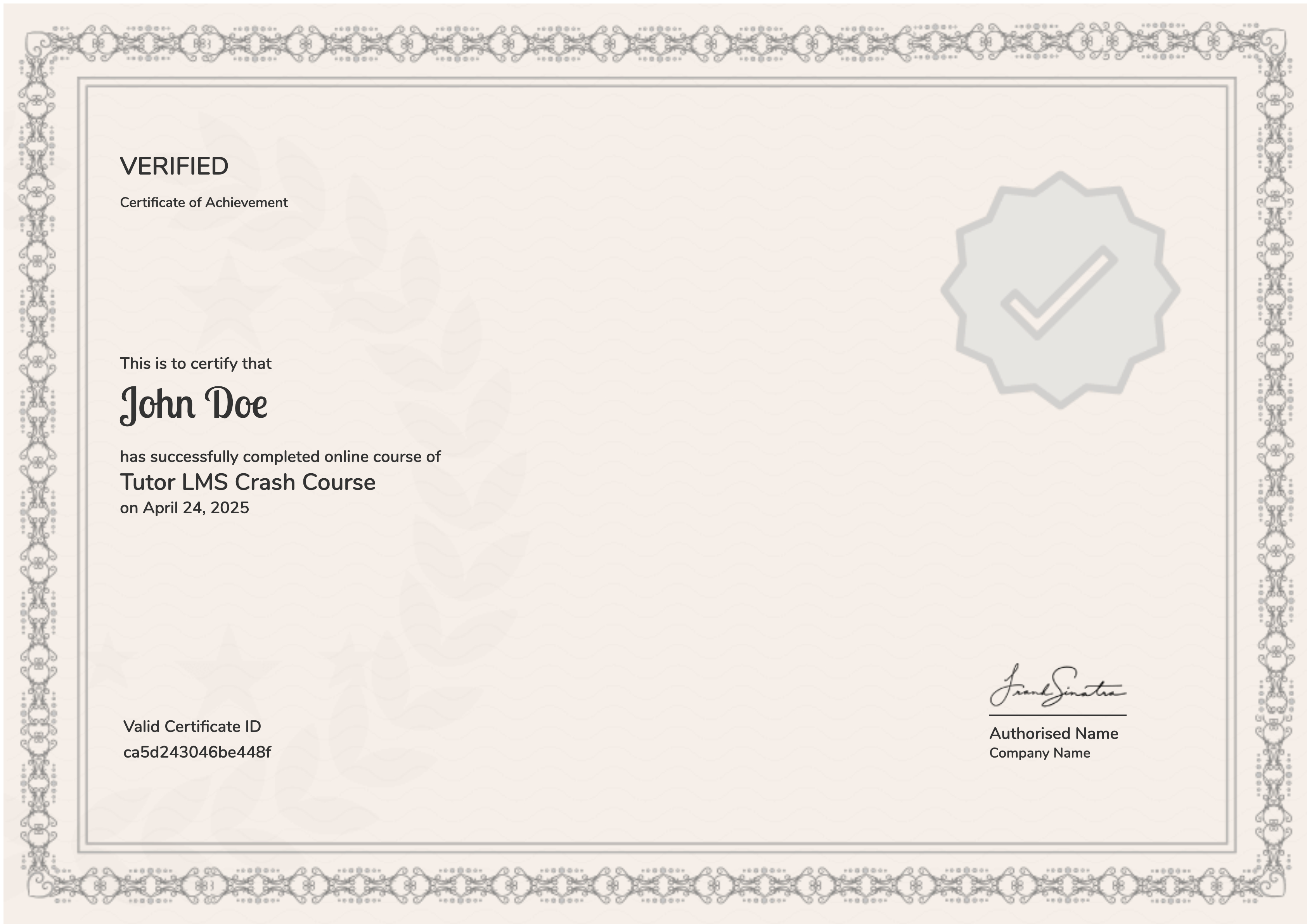
selected template

Student Ratings & Reviews

No Review Yet

No Review Yet