
About Course

The fashion industry is a multi-trillion-dollar global powerhouse driven by creativity, trend forecasting, and technical execution. However, breaking into this competitive field requires more than just a passion for sketching; it demands a comprehensive understanding of the design lifecycle, industry terminology, supply chains, and portfolio development.

Career as a Fashion Designer is a meticulously crafted 10-hour introductory course designed for aspiring designers, career-switchers, and creative enthusiasts. Taught through the dual lens of instructional design methodology and industry-expert fashion pedagogy, this course bridges the gap between raw artistic talent and commercial viability. Students will journey from the conceptual roots of fashion history to modern digital tools and portfolio curation, equipping them with the foundational knowledge required to launch their careers in the fashion ecosystem.

Show More

What Will You Learn?

  • Learning Objectives
  • By the end of this 10-hour course, students will be able to:
  • Remember: key fashion terminology, historical eras, and basic apparel construction vocabulary.
  • Understand: the end-to-end fashion design lifecycle, from initial trend research to the final retail runway.
  • Apply: basic color theory, fabric selection principles, and flat sketching techniques to visual design projects.
  • Analyze: current market trends, consumer demographics, and brand positioning strategies within the global fashion market.
  • Evaluate: the sustainability and ethical impacts of various textile production methods and manufacturing practices.
  • Create: a professional entry-level fashion portfolio and a personalized career action plan.
  • Skills Students Will Master
  • Trend Forecasting: Identifying macro-trends, micro-trends, and translating mood boards into cohesive design concepts.
  • Fashion Illustration & Flat Sketching: Communicating garment silhouettes, proportions, and technical details on paper.
  • Textile & Fabric Literacy: Recognizing fabric types, weaves, weights, and selecting appropriate materials for specific garment designs.
  • Industry Terminology: Fluent use of industry-standard jargon regarding production, merchandising, and design development.
  • Portfolio Curation: Structuring and presenting creative work tailored for academic admissions or entry-level job applications.
  • Career Navigation: Understanding the diverse pathways within the fashion industry (corporate design, independent entrepreneurship, technical design, and styling).

Course Content

Module 1: Fundamentals of the Fashion Industry & The Role of a Fashion Designer
<p>Fundamentals of the Fashion Industry & The Role of a Fashion Designer This foundational module introduces aspiring designers to the global fashion ecosystem, its architectural structure, and the evolving role of the fashion designer. You will explore how garments transition from conceptual ideas into global retail commodities, analyzing market tiers—from Haute Couture to mass-market manufacturing—and dissecting the end-to-end product development lifecycle. By mastering industry terms, business models, and seasonal calendars, you will establish the technical and business literacy required to navigate contemporary apparel design careers. Learning Outcomes By the end of this module, you will be able to: Map and differentiate between the distinct market tiers of the fashion industry (Haute Couture, Ready-to-Wear, Diffusion, Mass Market, and Ultra-Fast Fashion). Define the core responsibilities, cross-functional relationships, and skill sets across various fashion design roles (Creative Director, Technical Designer, Apparel Designer, Product Developer). Analyze the traditional and agile fashion calendars, detailing the milestone stages of the product development lifecycle from trend research to shelf delivery. Evaluate commercial viability versus artistic vision when designing a collection targeting a specific demographic. ---</p>

Module 2: The Creative Process: Research, Concept Development & Mood Boards
<p>The Creative Process: Research, Concept Development & Mood Boards This module explores the creative engine of fashion design: moving from abstract inspiration to structured visual storytelling. You will learn professional methodologies for macro and micro trend forecasting, primary and secondary research gathering, story development, and physical and digital mood board composition. By mastering how to translate cultural narratives, historical references, fine art, and material explorations into commercially viable collection concepts, you will build the creative foundation required for professional line development. Learning Outcomes By the end of this module, you will be able to: Conduct systematic primary and secondary trend research using professional forecasting frameworks and cultural analysis. Extract abstract design elements (silhouette, color, texture, line, proportion) from diverse inspiration sources. Develop cohesive visual narratives, color stories (utilizing Pantone TCX systems), and material concepts for a specific consumer demographic. Curate and construct professional physical and digital Mood/Concept Boards that communicate artistic direction and collection mood to creative stakeholders. ---</p>

Module 3: Core Skills of a Modern Fashion Designer
<p>Core Skills of a Modern Fashion Designer Module 3 Overview & Outcomes This module bridges the gap between raw artistic talent and commercial execution. Students will master the core competencies required in the modern fashion industry: foundational sketching and technical illustration, the science and psychology of textiles, and contemporary computer-aided design (CAD) workflows. By the end of this module, learners will understand how garments move from abstract ideas into structured, buildable blueprints. Module Learning Outcomes: 1. Translate body proportions into professional fashion croquis and create clear technical flats. 2. Evaluate fabrics based on fiber content, weave structures, drape, and end-use performance. 3. Navigate industry-standard digital tools (Adobe Illustrator/Photoshop) to execute professional digital sketches and mood boards. ---</p>

Module 4: The Design Process & Collection Development
<p>The Design Process & Collection Development Module 4 Overview & Outcomes Designing a single garment is very different from designing a cohesive, marketable collection. This module walks students through the end-to-end design lifecycle: from conceptual research and mood board curation to silhouette development, range planning, and line sheet creation. Students will learn how to balance creative vision with commercial viability. Module Learning Outcomes: 1. Conduct rigorous design research and curate compelling mood boards with clear design direction. 2. Execute a cohesive range plan balanced by category, price point, color palette, and delivery drop. 3. Construct professional line sheets and pitch a mini-collection to simulated buyers or investors. ---</p>

Recommended Reading & Resources

Earn a certificate

Add this certificate to your resume to demonstrate your skills & increase your chances of getting noticed.
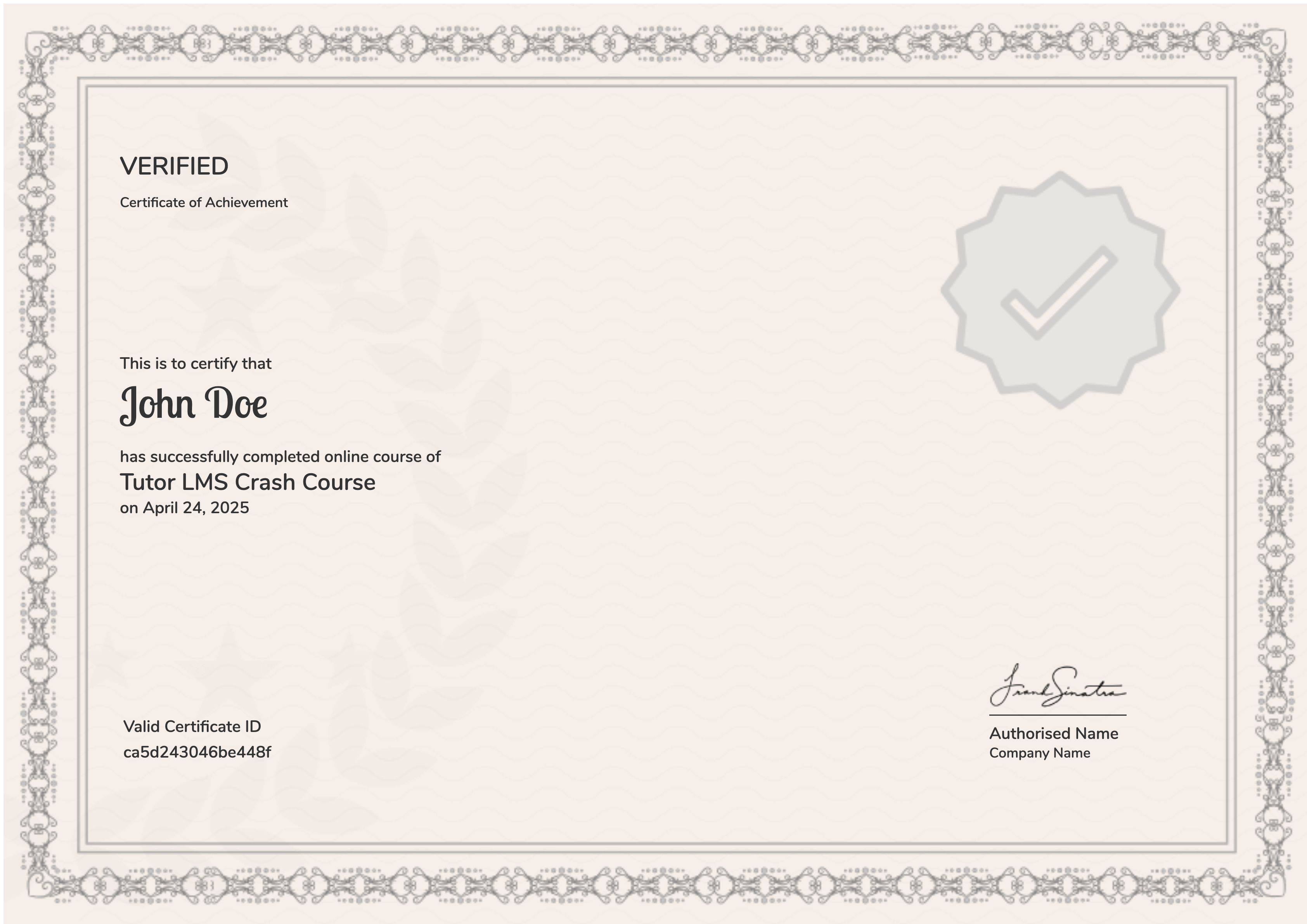
selected template

Student Ratings & Reviews

No Review Yet
No Review Yet